

There are many art pieces that can be used to decorate your home. For some, art is a luxury and art galleries are the best place to find it. But for others, art is a way of life and they want to bring it into their homes in order to show off their creativity. No matter what type of art you’re looking for, there’s an easy way to get it: gallery wall art! Use art as decoration in your home by using gallery wall art – all without breaking the bank!
Gallery walls are popping up all over the place. They have become a modern way to decorate and display items in your home or office space that you want to show off. A gallery wall can be an amazing way to decorate your space, but the process is not always easy. In this blog post, we will discuss how to plan a gallery wall and make it come together perfectly for you!
Tip #01: Start with a Plan
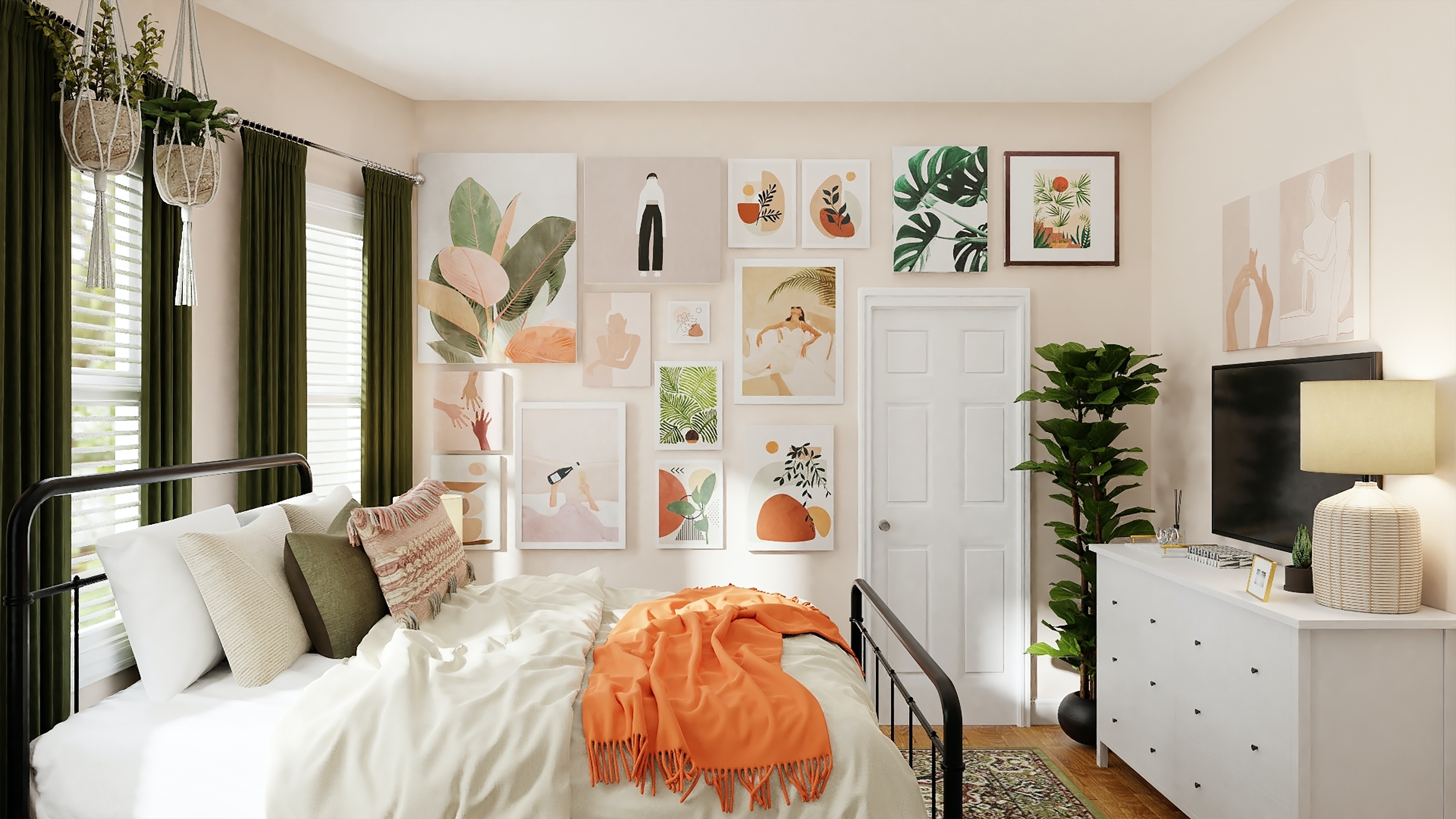
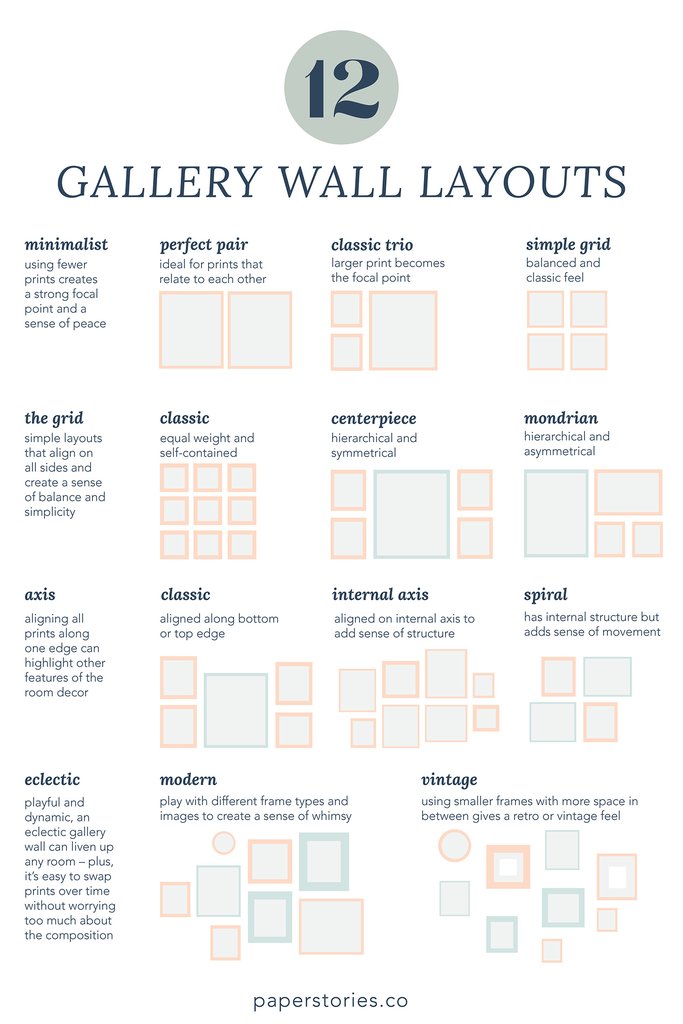
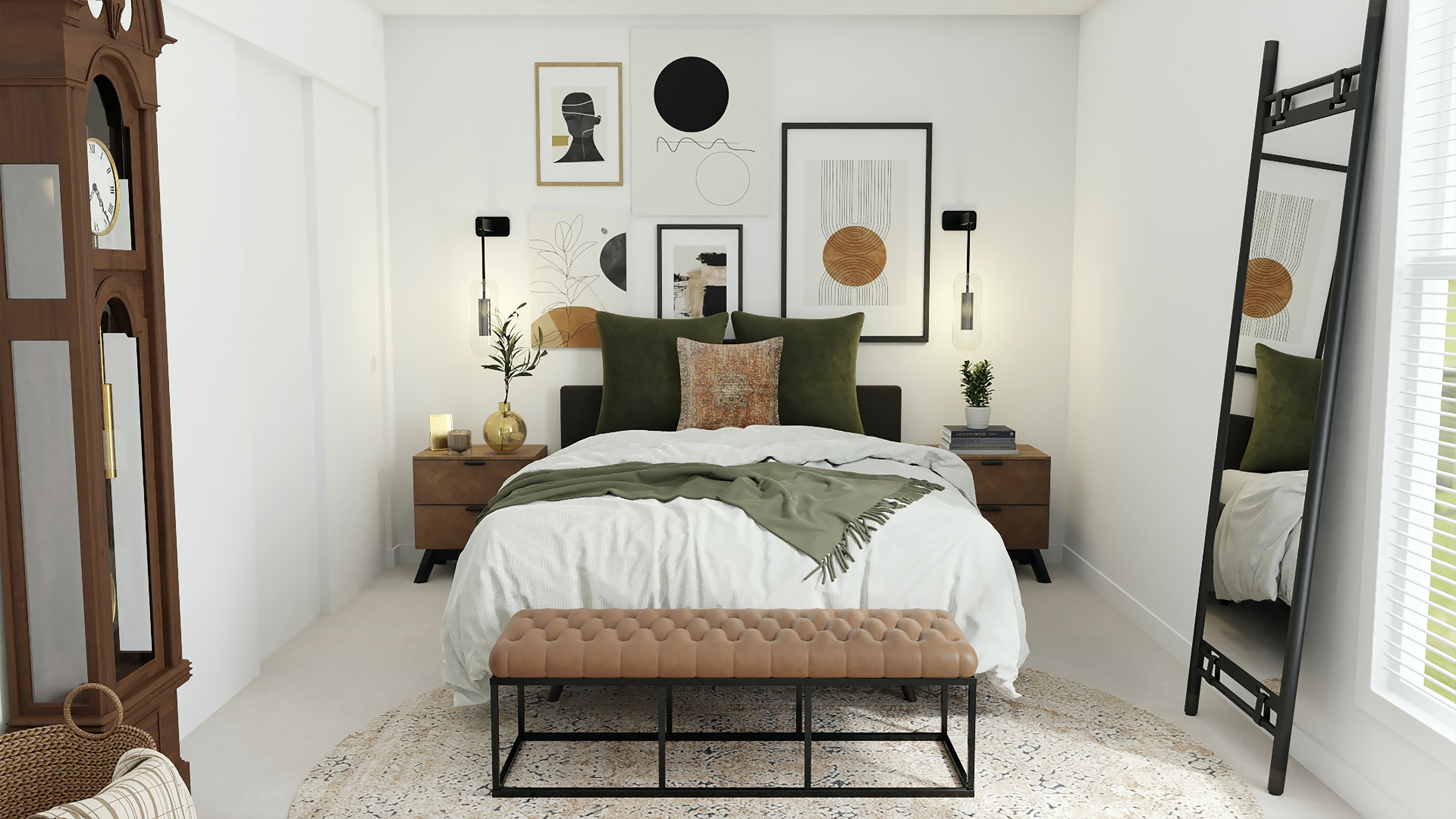
You should always have a plan before you get started. Determine what items you want to display and how big they’re going to be, then figure out the size of your gallery wall accordingly. This is especially important when working with an existing wall or planning for future construction. Once you’ve figured this out, it’s time to get creative! The best way to mix different styles is to use a grid pattern.
- Select a gallery wall theme.
- Find artworks that are similar in style and size.
- Consider if you want your gallery walls to be symmetrical or asymmetrical. You may also choose to stagger the pictures for an interesting look!
- Plan gallery wall spacing.
- Measure the gallery wall area and divide it up into sections, one for each object you want to display in its own space.
- Be sure not to place two objects too close together or they may start fighting with each other.
Tip #02: Mind your Colors
Try combining complementary colors or a strong color with an accent color for maximum effect on each individual item in the space. When matching up colors, it is important to consider complimentary colors that are opposite one another on the color wheel so as not too create any jarring contrasts when looking at them side-by-side. For example, blue and orange make great complements because their hues compliment one another while still maintaining uniqueness from one side of the spectrum to the other (blue being traditionally more cool/dark while orange is traditionally more warm/light).
Tip #03: Shopping for Art
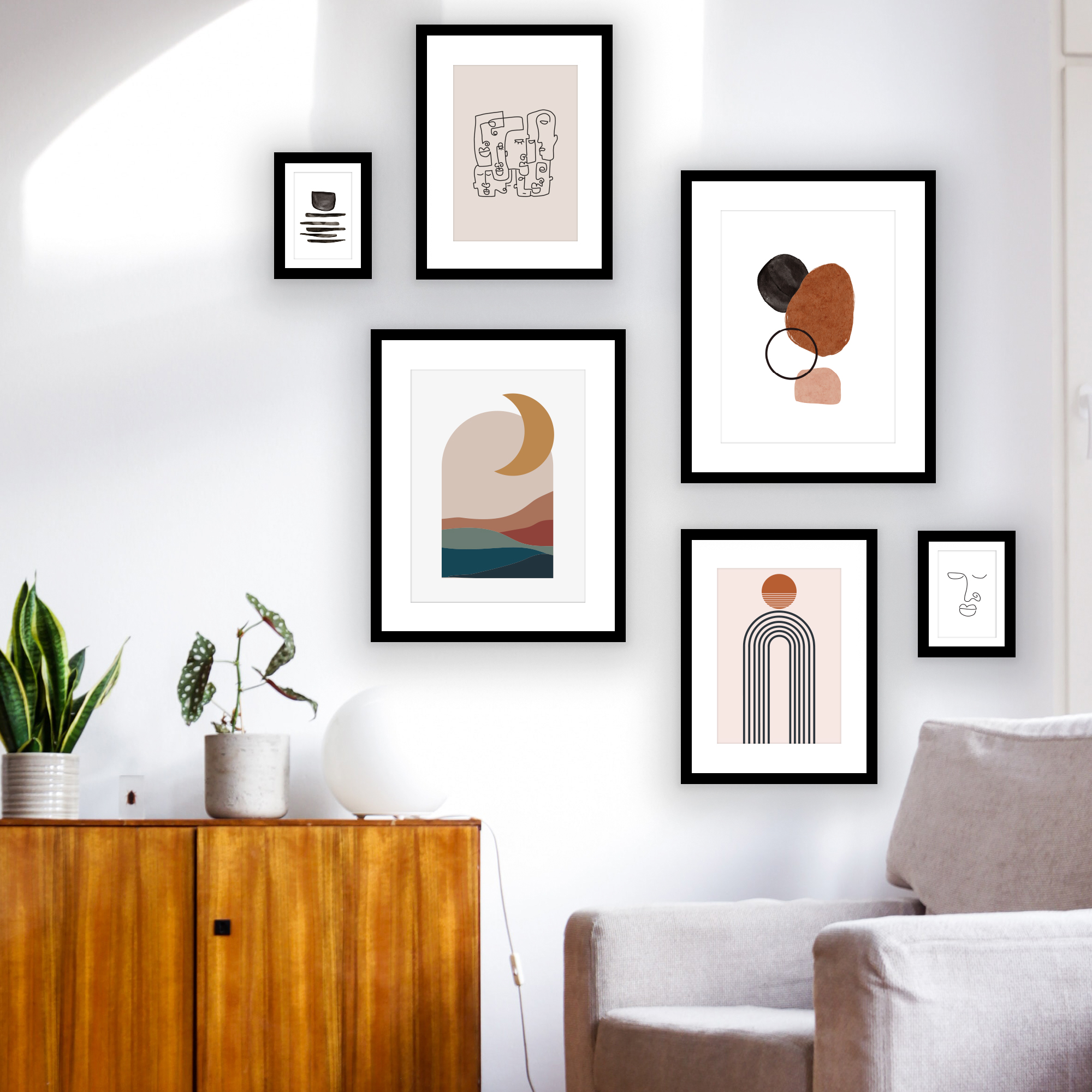
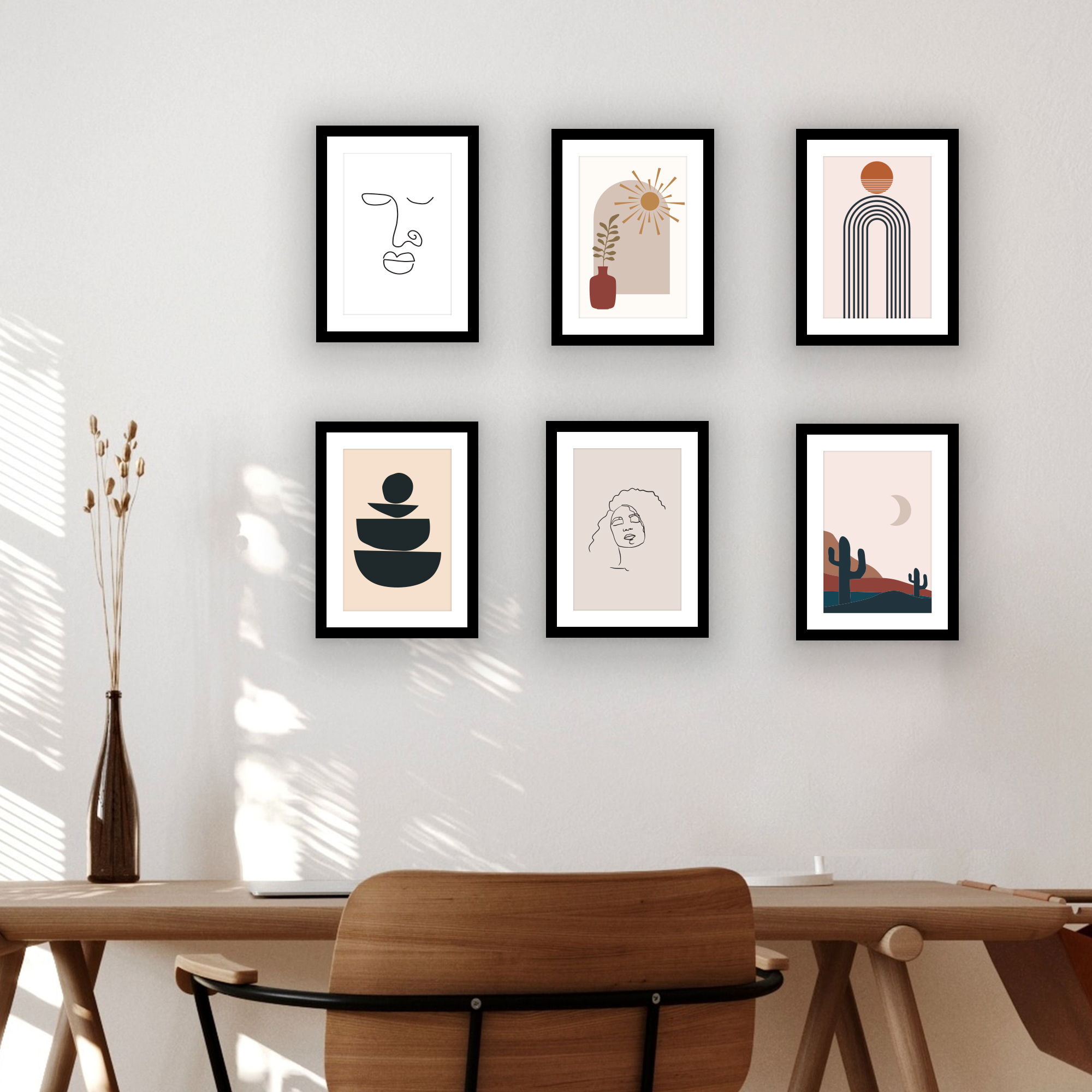
When you’re planning a gallery wall, make sure to take measurements of where the materials will need to be purchased in order to plan out your budget and time constraints. Buying too much or too little can either leave you with excess material that has nowhere else it needs to go or leave you short on supplies halfway through the project.
Bonus: show it off!
Hope these quick tips will help you build your perfect gallery wall. Once you have it and want to show it off on Instagram, don’t forget to tag @lazydaysstudio—we will be happy to feature it on our site!